
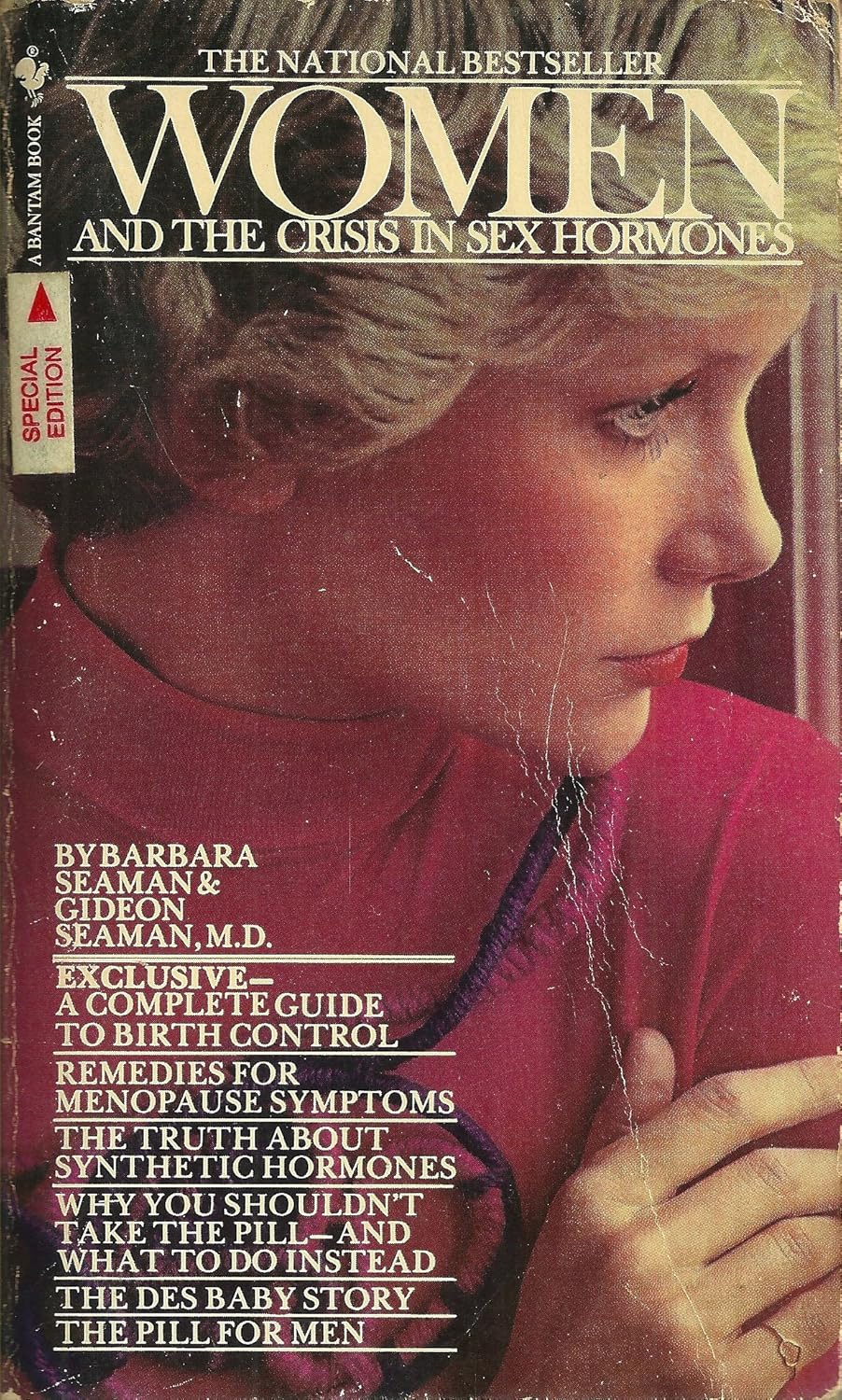
“Women and the Crisis in Sex Hormones” by Barbara Seaman is a bold 1987 critique of synthetic hormone therapies, including the birth control pill and menopause treatments, exposing their risks and the medical industry’s profit-driven oversights.
Book Overview
Seaman warns of dangers like blood clots, strokes, heart attacks, and cancers from high-dose estrogens, urging women to demand informed consent and safer alternatives. Building on her 1969 bestseller “The Doctor’s Case Against the Pill,” it blends investigative journalism, patient stories, and reform calls.
Pill Development History
Seaman recounts the pill’s 1950s origins: researchers Gregory Pincus and John Rock, backed by Margaret Sanger, created high-dose estrogen-progestin from Mexican yams. FDA-approved in 1960 (initially for married women), Enovid’s 150-microgram mestranol ignored 1930s cancer/clot risks; flawed Puerto Rican trials lacked consent, dismissing side effects as “psychosomatic.” Her exposés triggered 1970 hearings, FDA warnings, and dose cuts to under 50 micrograms by the 1980s.
Key Themes
The book critiques pharma suppression of data, doctors’ dismissal of women, and pushes natural menopause options alongside birth control alternatives. It influenced the women’s health movement, sparking patient empowerment.
Strengths and Criticisms
Praised for revelations and impact, its passionate advocacy mixes science with anecdotes effectively. Drawbacks: fervent tone and dated 1980s data.
Recommendation
Essential for hormone therapy skeptics seeking historical context; a 4.5/5 for pioneering patient rights advocacy.
Discover more from The Wellness By Design Project
Subscribe to get the latest posts sent to your email.